Cracks in Walls or Floors
Cracks can differ in width, pattern, location, direction, and apparent movement. These details can help guide a more informed conversation about the visible condition.

West Key Builders helps property owners assess basement concrete concerns, discuss repair options that fit observed conditions, and plan practical next steps for homes, commercial properties, and managed buildings.
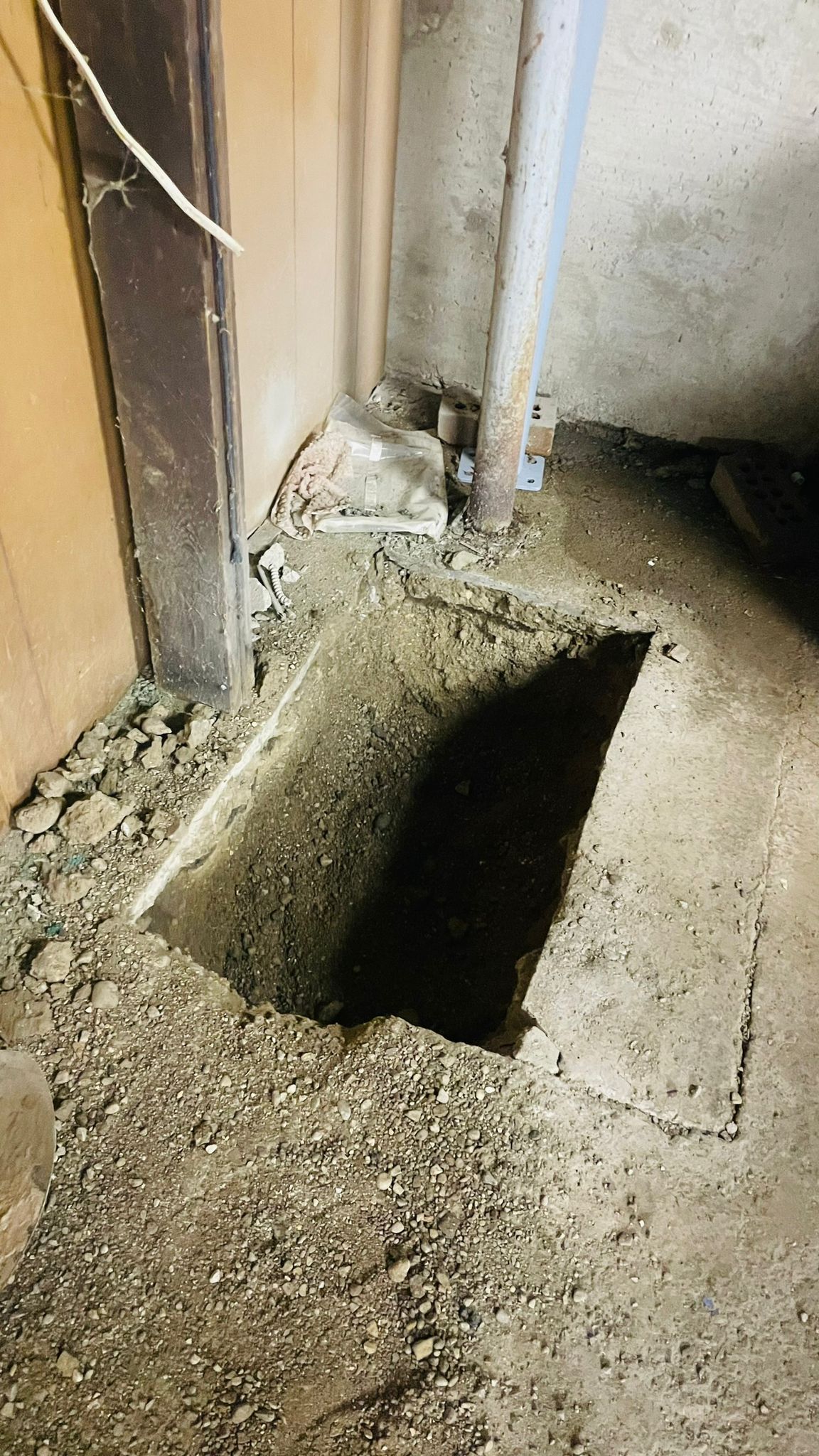
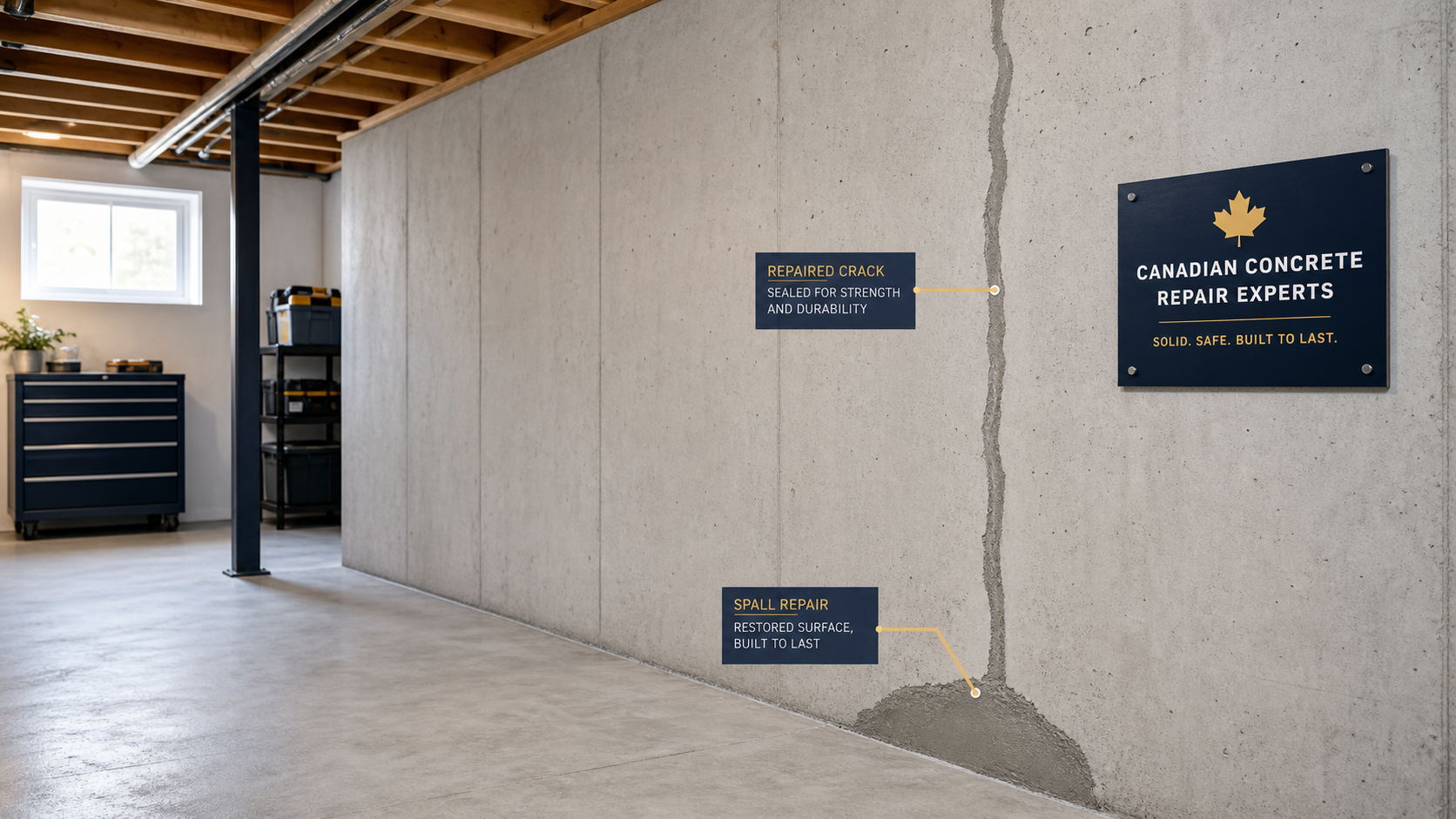
West Key Builders provides basement concrete repair in London Ontario for property owners dealing with cracks, deteriorating surfaces, damp areas, visible water entry, or signs of movement near a basement wall or floor. A basement is an important part of a building. For that reason, visible changes are best considered in the context of the property as a whole, not as isolated symptoms with an assumed cause.
Concrete concerns can vary widely. A narrow crack, flaking surface, damp area, uneven floor, or water mark can have different contributing conditions and may not call for the same approach. The first project discussion can cover what you have noticed, how long it has been present, whether it appears to be changing, and how the basement space is used.
Whether you are considering a focused repair or investigating a broader concern, the goal is a clear, site-specific conversation before work is considered. Property owners can review the West Key Builders team page for company background or return to the company homepage for an overview of concrete and exterior construction work.
Basement concrete can show signs of change over time. Moisture, ground movement, material aging, water flow around the property, prior work, and the condition of adjacent building elements may all be relevant when evaluating a concern. A useful assessment focuses on actual site conditions rather than relying only on the appearance of one crack or one affected surface.
For example, a basement floor crack may be more useful to discuss when its location, pattern, width, surrounding surface, and history are known. A damp wall may be easier to describe when the timing of the dampness and its relationship to rainfall, snowmelt, or another event are documented. These observations do not identify a cause by themselves, but they improve the quality of an initial conversation about basement concrete repair in London Ontario.
Cracks can differ in width, pattern, location, direction, and apparent movement. These details can help guide a more informed conversation about the visible condition.
Flaking, chipping, loose concrete, scaling, or exposed material below the surface can affect a basement wall, floor, edge, or other concrete element.
Dampness, staining, puddling, musty odours, and recurring water entry are useful observations to document before repair planning is discussed.
Changes in level, separation near joints, or visible signs of movement can be important details when considering basement concrete repair in London Ontario.
Not every crack has the same significance. Some cracks may appear as materials cure or age, while other patterns may need closer attention. Crack width, direction, location, nearby surface condition, and whether the crack appears to be changing are all useful observations to share during an assessment. It is also helpful to note whether a crack is dry, whether staining is present, and whether nearby finishes have changed.
Spalling is concrete that is flaking, chipping, scaling, or breaking away from the surface. It can occur on a basement floor, wall, edge, or another concrete element. Planning for surface repair depends on the extent of the affected area, the condition of the material that remains, access to the area, and conditions that may be contributing to the deterioration.
For general educational background, concrete is a construction material made from a binder, water, and aggregate. For a particular basement, however, the useful next step is evaluating the actual crack, surface, moisture pattern, and surrounding conditions instead of applying general information as a diagnosis.
Addressing a visible concern early can make it easier to document the condition, understand the potential scope of work, and decide whether additional information is needed. Waiting can make it more difficult to identify when a change began or whether it has progressed. It can also make a simple comparison more difficult if furniture, storage, finishes, or seasonal conditions later conceal the affected area.
Early assessment does not mean every condition requires immediate work. It means that the property owner has a better record of what is visible and can make a more informed decision about the appropriate next step. This is especially useful for basement concrete repair in London Ontario where moisture, access, finished spaces, and surrounding site conditions can affect how a concern is approached.
Basement conditions can involve structural, drainage, and building-envelope considerations. Where a concern may affect the structure or safety of a building, property owners should obtain advice from an appropriately qualified independent professional before choosing a repair approach.
West Key Builders discusses basement repair needs based on visible conditions, intended use of the space, access, and the information available about the property. Depending on the assessment, work may relate to cracks, deteriorating concrete, repairs to concrete elements, or reinforcement-related concerns. An initial discussion helps identify the project details that need further review; it does not guarantee a diagnosis, repair method, price, schedule, or outcome.
Some property owners have one clearly visible issue, such as a local area of spalling or a crack in an unfinished basement wall. Others are trying to understand several observations at once, such as dampness, floor changes, and cracks near a wall. In either situation, a site-specific discussion helps keep basement concrete repair in London Ontario focused on the information available rather than assumptions.
Crack repair may be considered after discussing the crack pattern, location, surrounding conditions, and whether water entry or movement has been observed.
Planning for flaking or damaged concrete can involve reviewing the affected area, the condition of the surface, and any exposed materials.
Foundation and basement concrete concerns may require discussion of the wall, slab, footings, water movement, and broader site conditions.
Where reinforcement is being considered, the scope should be based on observed conditions and any appropriate technical review for the property.
Every basement has different conditions. Building age, existing concrete condition, water movement around the property, soil conditions, access, finished basement areas, utilities, and related renovation work can affect planning. Basement concrete repair in London Ontario should be discussed in relation to these practical details rather than with a generic repair recommendation.
Clients can explain what they have noticed, provide photos where available, and share past repair history. These details create a practical starting point for identifying the information needed before work is considered. For examples of broader concrete work, view the project gallery. For general educational articles, visit the concrete works blog.
The following answers provide general information for people considering basement concrete repair in London Ontario. They are intended to help visitors prepare for a project discussion, not to diagnose a property or replace site-specific professional advice.
Visible cracks, flaking or chipped concrete, damp areas, water entry, uneven surfaces, and apparent movement can all lead a property owner to consider basement concrete repair in London Ontario. These observations do not automatically identify a cause or a specific repair method. They do, however, provide useful starting information for a project discussion.
Before contacting a contractor, take clear photos and make a few notes about where the concern appears, when you first noticed it, whether it has changed, and what happens during rain or snowmelt. If the basement is finished, note what materials surround the area and whether access is limited. A complete description is usually more useful than a single close-up image.
No. Crack width, direction, location, nearby materials, moisture observations, and apparent change over time can differ from one property to another. A narrow crack in one place may not present the same considerations as a wider, changing, damp, or recurring crack elsewhere. Basement concrete repair in London Ontario should be planned around observed conditions instead of a one-size-fits-all assumption.
It is useful to avoid filling, covering, or altering a crack before it has been photographed and described, unless an urgent safety issue requires action. Keeping a simple record can help distinguish what is currently visible from what may have changed later. If you are concerned about structural movement or safety, seek advice from an appropriately qualified professional.
Spalling describes concrete that is flaking, chipping, scaling, or breaking away from the surface. It can occur on a basement floor, wall, edge, or another concrete element. The affected area, condition of the remaining surface, possible moisture exposure, and any exposed material beneath the surface are useful details when discussing basement concrete repair in London Ontario.
Surface deterioration can be local or spread across a larger area. Avoid assuming that every rough patch has the same cause or needs the same treatment. A repair conversation can consider the size and depth of the affected area, the use of the space, nearby moisture conditions, and whether the surface is continuing to deteriorate.
Yes. Note where dampness, staining, puddling, or water entry appears and whether it occurs after rain, snowmelt, plumbing use, or another event. Photos and approximate dates can be useful. Water observations may help identify what information should be discussed alongside basement concrete repair in London Ontario, but they do not independently determine the cause of a condition.
Include practical details such as whether the moisture is at a wall, floor joint, window area, utility penetration, or another location. If the area dries, record how long that takes. If stored items, carpet, drywall, or finishes are affected, mention that as well. These details help ensure the project discussion considers the full visible situation.
Prepare photos, the location of the concern, approximate crack measurements where practical, when you first noticed it, and whether it appears to have changed. It is also useful to mention previous repairs, finished basement areas, access limitations, and any moisture or water-entry pattern. This information supports a clearer discussion about basement concrete repair in London Ontario.
Share what you know, even if the information is incomplete. It can help to identify which questions need a closer look and which details may need to be gathered before planning proceeds. An initial inquiry starts a conversation; it does not guarantee a particular diagnosis, repair scope, price, timeline, or outcome.
It may be relevant to discuss a basement floor together with nearby walls, joints, footings, visible water movement, and the property’s broader conditions. Each property is different, so a floor concern should not be assumed to have a particular cause. The visible relationship between elements can simply be one part of the information reviewed.
For example, the condition of a floor near a wall may be worth documenting along with any dampness, separation, or nearby surface changes. Visitors can also review foundation footing information to understand another concrete component that may be discussed where relevant. This educational link does not determine what is occurring at a particular property.
Seek advice from an appropriately qualified professional when there is significant or rapidly changing movement, a bowed wall, major water entry, a safety concern, or a condition that may affect structural performance. Basement concrete repair in London Ontario can involve practical construction work, but engineering, building-code, drainage, or safety questions may require independent site-specific advice.
Do not rely on general online content to determine whether a condition is safe. If you are uncertain about a serious change, protect people from the affected area where practical and seek suitable professional guidance. A contractor can discuss visible project needs, but technical advice should come from a professional qualified for the specific issue.
No. Crack repair and reinforcement-related work are different concepts, and the appropriate scope depends on observed conditions and any relevant technical review. Reinforcement should not be assumed simply because a crack is visible. A crack may be one item among several details that need to be discussed.
Visitors considering basement concrete repair in London Ontario can review reinforcement-related service information when that topic is relevant to their property. The page is a useful starting point for understanding the subject, but it does not replace a site-specific assessment or determine whether reinforcement is appropriate.
Yes. Finished walls, flooring, stored items, utilities, access routes, and the intended use of the space can affect how a concern is viewed and how work is planned. Share these details early when discussing basement concrete repair in London Ontario. Clear access and an accurate description of visible conditions can help define practical next steps without assuming a final scope.
Where finishes cover the affected area, describe what is visible and identify what may be concealed behind finishes if known. Avoid removing finishes solely to investigate a concern unless you have decided that step is appropriate for the property. Photos from before finishing work, previous repair records, and renovation details may also be useful context.
Yes. West Key Builders maintains general concrete repair questions and a blog hub with broader educational content. These resources can help visitors prepare questions and understand common terminology, but they are not a substitute for reviewing actual basement conditions.
General information is most useful when it helps a property owner observe and communicate what is happening. It should not be used to make a structural, engineering, drainage, or safety decision without appropriate professional input. Basement concrete repair in London Ontario remains specific to the property, the visible issue, and the available project information.
West Key Builders discusses concrete, repair, and exterior construction project needs for residential and commercial properties. For a commercial basement concern, provide information about the affected area, access, operations, visible conditions, and any site or safety restrictions. A project discussion can then focus on the information available and the next appropriate step.
Commercial properties may have practical considerations such as operating hours, tenant access, equipment, storage, loading areas, or building-management requirements. Mentioning these details early can help frame a conversation about basement concrete repair in London Ontario. It does not create a commitment to a scope, schedule, or project outcome.
Use the project contact form to share the property location, visible symptoms, photos if available, and any water-entry or movement observations. Include the best contact details for the person responsible for the property and describe any important access considerations.
An inquiry begins a discussion; it does not guarantee approval, a particular diagnosis, repair method, price, timeline, or project result. The details you provide help establish whether a conversation about basement concrete repair in London Ontario can begin with the information currently available.
Share the location of the concern, photos if available, visible symptoms, and any details about water entry or changes you have noticed. These details can help guide the first conversation about basement concrete repair in London Ontario.
West Key Builders discusses basement concrete repair, crack repair, deteriorating concrete, and foundation-related project needs in London, Ontario.
Request a project discussion