
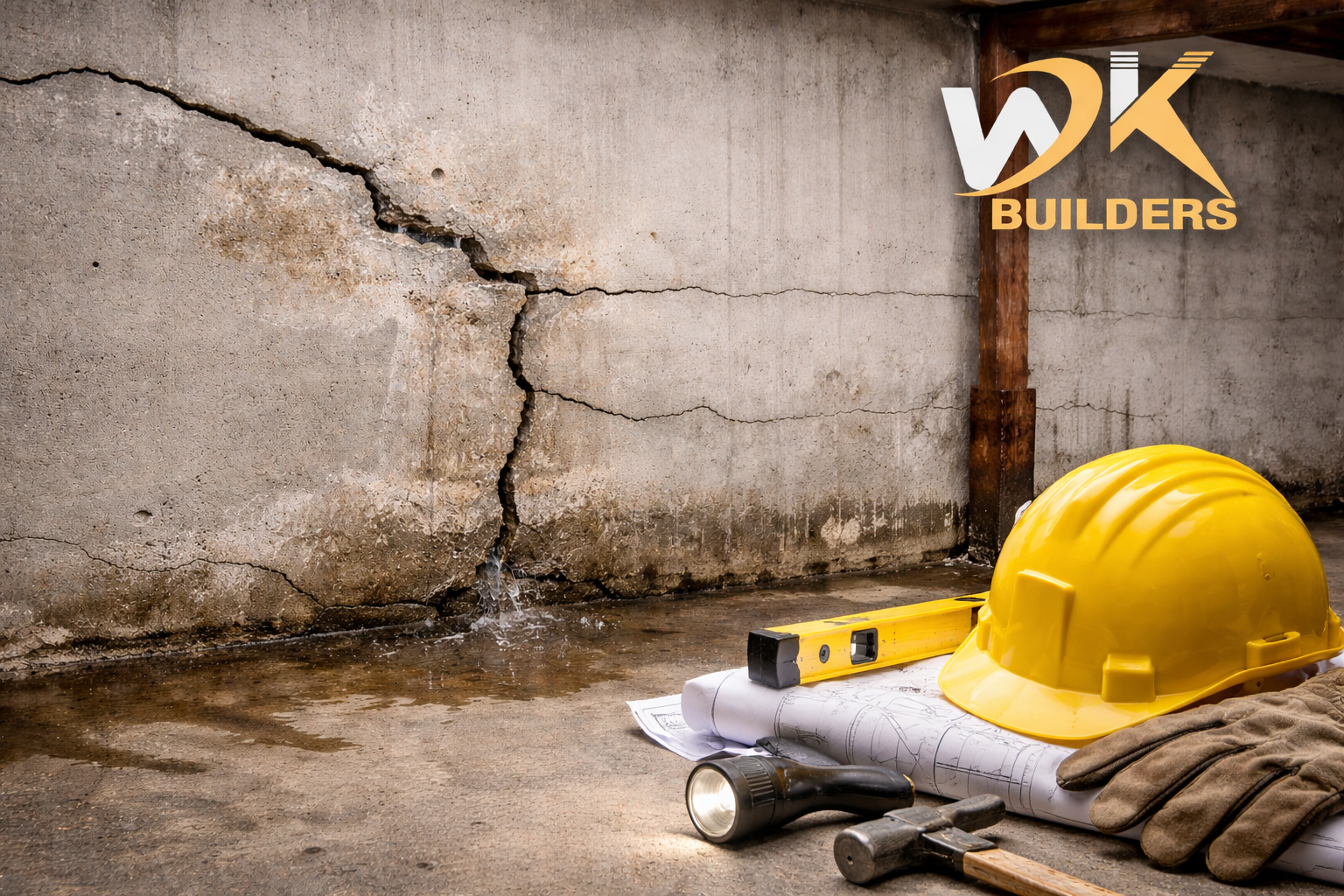
Foundation Crack Warning Signs
Foundation crack warning signs often start quietly, which is why many homeowners in London, ON don’t act until repairs become more disruptive and expensive. A thin line in a basement wall might not look urgent, but if it changes, leaks, or shows up alongside other shifts in the home, it can point to movement or moisture pressure that shouldn’t be ignored. Knowing the most common foundation crack warning signs helps you protect your structure, prevent water damage, and avoid bigger issues down the road.
Why Foundation Crack Warning Signs Matter in London, ON
Local conditions make foundations work hard. Temperature swings, freeze–thaw cycles, and wet periods can affect soil and water levels around the home. The real risk usually isn’t “a crack exists.” It’s what that crack suggests (settlement, shifting, or pressure) and what it can allow in (water intrusion and long-term deterioration). The most important foundation crack warning signs are the ones that change over time or show up in multiple areas.
9 Foundation Crack Warning Signs You Should Never Ignore
- Cracks that widen or lengthen
A crack that grows is one of the clearest foundation crack warning signs. If it’s longer than last season or noticeably wider at one end, the change is meaningful. - Stair-step cracking in block or brick
Cracks that follow mortar joints can be a signal of movement. This pattern is one of the more recognizable foundation crack warning signs on exterior walls. - Horizontal cracks on foundation walls
Horizontal cracks can be more concerning than vertical ones because they may indicate pressure pushing inward against the wall. - Doors and windows that suddenly stick
When the structure shifts, frames can move and doors may rub or misalign. This is one of the most overlooked foundation crack warning signs because it feels like a “hardware problem” at first. - Sloping or uneven floors
If floors feel out of level, furniture seems to drift, or you notice soft spots, it can be connected to settlement or framing changes tied to foundation movement. - Gaps around trim, baseboards, or ceiling corners
Small separations can happen with normal settling, but if they appear alongside cracking or feel like they’re spreading, they become stronger foundation crack warning signs. - Water seepage, damp smells, or basement moisture
Moisture is often what turns a minor crack into a major issue. Staining, damp patches after rain, or musty air can point to water entering through weak points. In these cases, targeted repairs such as basement concrete repair may be part of the solution depending on what’s damaged and where the moisture is coming from. Here is a guide from the CMHC (Government of Canada) – “A Guide to Fixing Your Damp Basement” - Efflorescence or discoloration on concrete
A white, chalky residue or odd staining can suggest water moving through concrete. This often shows up alongside foundation crack warning signs because water finds the easiest path. - Cracks near corners, openings, or load areas
Cracking around corners, window wells, or areas supporting heavier loads can be more significant than a crack in the middle of a wall—especially if it changes.
Which Cracks Are “Normal” vs. a Real Problem?
Not every crack means a home is unsafe, but it’s risky to assume all cracks are harmless. Some hairline cracks can be stable and cosmetic. The concern rises when foundation crack warning signs appear as a group: crack growth, moisture, sticking doors, and uneven floors. If you’re unsure, it’s usually cheaper to assess early than repair late. West Key Builders can evaluate the situation and recommend the right fix, including professional foundation crack repair when the crack type or water behavior calls for it. If you’re unsure what you’re seeing, book an assessment through our Contact page.
What to Do When You Notice Foundation Crack Warning Signs
First, document what you’re seeing. Take photos, write down dates, and note the crack location. If you can, measure the width or at least include a clear reference object in the photo so you can compare later. Recheck after heavy rain, spring thaw, or long dry periods when soil conditions can shift.
Next, look for patterns. Are cracks repeating along the same wall line? Are indoor symptoms like sticking doors getting worse at the same time? If multiple foundation crack warning signs show up together, a professional assessment is the smartest next step. Repair methods vary based on the cause, the crack orientation, and whether water is involved. In some older homes or properties showing broader movement, added stability work may be recommended. If you’re seeing ongoing shifting or signs of inward wall pressure, learn more about basement reinforcement as a longer-term approach.
Preventing Cracks From Getting Worse
You can’t control the weather, but you can reduce stress on your foundation by managing water around the home. Make sure runoff moves away from the structure, keep an eye out for pooling near the wall line, and address drainage issues quickly. Consistent grading and good water control help reduce pressure on foundation walls and can limit the conditions that worsen foundation crack warning signs. The key is catching change early and avoiding “wait and see” when moisture or movement is involved.
FAQ — Foundation Crack Warning Signs
1) What are the most common foundation crack warning signs in basements?
The most common foundation crack warning signs include growing cracks, damp spots, musty odours, staining, and water seepage after rain or snowmelt.
2) Are vertical cracks always less serious than horizontal cracks?
Not always. Vertical cracks can be minor if they stay stable, but if they widen, leak, or show up with other foundation crack warning signs, they may need repair. Horizontal cracks can be more concerning because they may indicate inward pressure.
3) How do I know if a crack is getting worse?
Take photos and compare monthly or seasonally. If it becomes longer, wider, or starts leaking, that change is one of the clearest foundation crack warning signs.
4) Can foundation issues cause doors to stick upstairs?
Yes. Foundation movement can shift framing throughout the home, leading to sticking doors and windows—especially when combined with other foundation crack warning signs.
5) When should I call a professional for foundation crack warning signs?
Call when cracks grow, leak, or appear with sloping floors, sticking doors, or signs of wall movement. It’s also smart to call if multiple foundation crack warning signs appear at the same time.